Last Updated on October 20, 2026 by Soumya
Traveling to Vietnam for the first time? Here’s a Vietnam travel guide you won’t want to miss.
A beautiful country in Southeast Asia, Vietnam has big, busy cities, gorgeous ancient towns, stunning natural landscapes, a thriving coffee culture, and amazing food. It is easy to see why Vietnam has become one of Asia’s most popular destinations.
But it is also one of those places that become much easier to explore if you’re well prepared.
I have traveled to Vietnam multiple times, and here are a few practical tips—from visas and currency to getting around, tipping, weather, and choosing the right hotel. Here are 11 things to know before visiting Vietnam.
Please note: This post may contain affiliate links which means I may earn a commission if you make a purchase by clicking a link on this post. This will be at no additional cost to you. Affiliate links help me keep this website up and running. Thanks for your support!
11 Things to know before visiting Vietnam
Vietnam is bigger than it looks on the map.
The first thing to understand about Vietnam is its geography.
Stretching more than 1,600km from north to south, Vietnam is a long, narrow country with distinctly different landscapes, climates, and cultures. Hanoi in the north feels very different from Ho Chi Minh City in the south, while central Vietnam has its own character.
This matters when planning an itinerary.
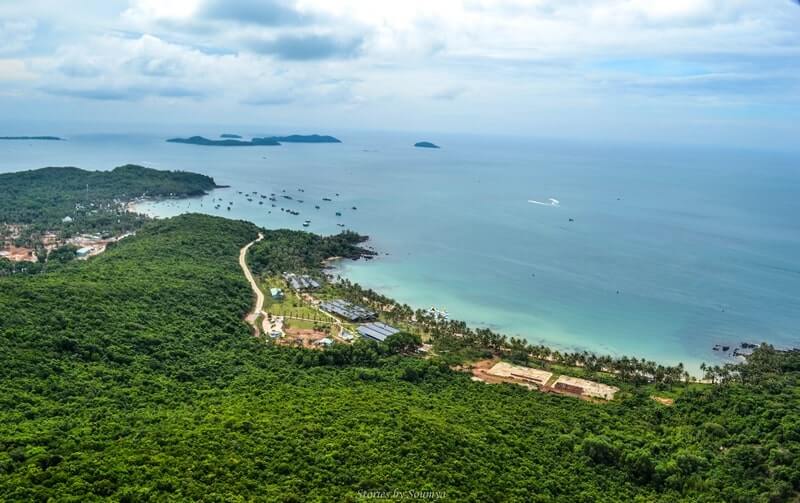
Do not try to pack all of Vietnam in a week. Try to split it by regions. A northern itinerary could combine Hanoi, Ninh Binh, and Ha Long Bay. Central Vietnam works beautifully as a combination of Hue, Da Nang, and Hoi An. In the south, you can pair Ho Chi Minh City with the Mekong Delta and perhaps Phu Quoc.
📖 Read Next: Best things to do in Phu Quoc.
Do you need a visa?
For many travelers, getting a Vietnamese visa is relatively straightforward.
Vietnam currently offers a 90-day electronic visa to citizens of all countries and territories, and the e-visa allows multiple entries. There are also visa exemptions for citizens of certain countries – check the list here.
If you need an e-visa, apply through Vietnam’s official immigration website rather than an unofficial third-party site that charges extra fees.
Vietnam is a rewarding destination for culture lovers like you and me.
The country has nine UNESCO World Heritage Sites. From the Imperial Citadel of Hanoi and the Forbidden Purple City of Hue to the ancient Hindu temples of My Son and the birthplace of Truc Lam Buddhism on the Yen Tu Mountain Range, you will have no shortage of historic sites to explore in Vietnam.
Stroll the atmospheric Old Quarter of Hanoi, wander through the ancient trading port of Hoi An, or discover the charm of floating markets on the Mekong River.
Vietnamese currency, connectivity, and commute
Vietnam’s currency is the Vietnamese đồng (VND), and the large numbers can be confusing at first.
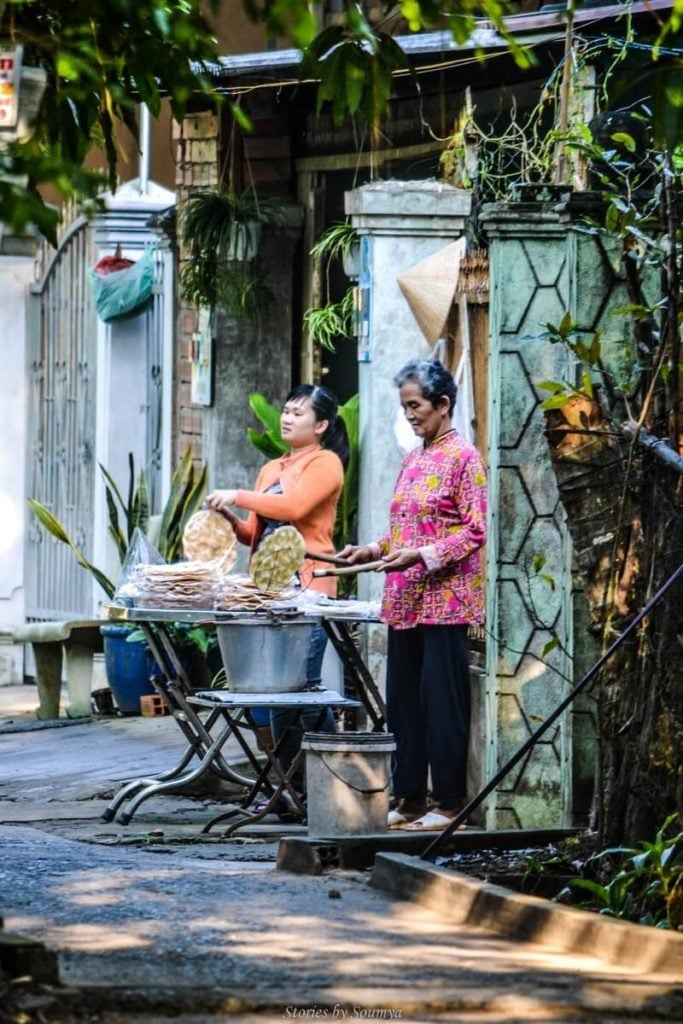
Banknotes range from smaller denominations to 500,000 VND notes. Cash is still useful for street food, markets, small shops, and local businesses, although hotels, restaurants, shops, and other established businesses increasingly accept cards.
Be careful with the zeros when handling cash. For example, the 20,000 VND and 500,000 VND notes can look surprisingly similar in color.
Vietnam also has good mobile connectivity in most tourist areas. Buying a local SIM or eSIM for Vietnam can make navigation and ride-hailing considerably easier.
And then there is the commute.
In Hanoi and Ho Chi Minh City, motorbikes dominate the streets. Traffic can look chaotic, but it generally moves according to its own rhythm. Ride-hailing apps are useful for getting around cities, while domestic flights are convenient for longer journeys.
Vietnamese coffee is amazing.

Vietnam has a vibrant, thriving coffee culture.
Try cà phê sữa đá, Vietnamese iced coffee made with condensed milk. Or look out for more regional, adventurous variations such as cà phê trứng (egg coffee), cà phê muối (salty coffee), or the bold but refreshing cà phê dừa (coconut coffee).
While Hanoi is often considered the birthplace of egg coffee, Hue is where salt coffee originated.
I personally love Da Nang, where café hopping is as much a social ritual as a beverage. Everywhere, you’ll find locals sitting on low wooden stools, talking, and chilling over a glass of strong coffee.
📖 Read Next: My Da Nang Travel Guide, recently published in Malaysia Airlines’ in-flight magazine, Going Places.
Vietnamese food is packed with flavors.
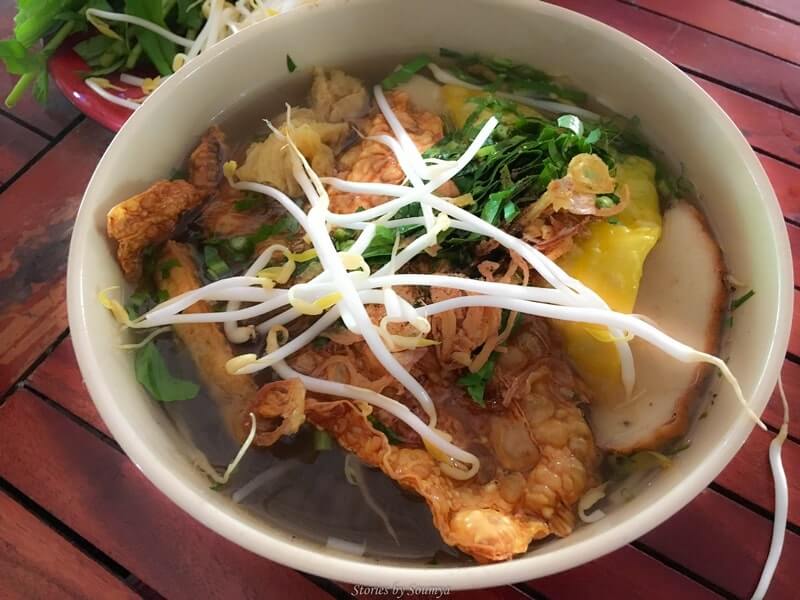
Food is one of the main reasons I keep going back to Vietnam.
Besides the simple, flavorful bowl of Pho, my absolute favorite, I have discovered so many wonderful Vietnamese dishes over the years.
I love Banh Xeo – the crispy sizzling pancake of Vietnam, Banh Cuon – Vietnamese rolled rice cakes, and Banh Beo – tiny rice cakes that look so much like cute cupcakes.
📖 Read Next: What to eat in Vietnam – Tips from a local
Join guided tours with locals.
One of the best things I have learned from visiting Vietnam multiple times is that locals know best. That’s why I always book guided tours led by locals.
Here are some of my favorite ones.
Download useful apps
Some of the most useful apps that made my life easier in Vietnam were:
Grab for hailing cabs. Of course, GrabFood is super helpful for food delivery on days when you don’t want to step out of the hotel.
Zalo – the messaging app used universally in Vietnam. I already had WhatsApp on my phone; that also helped.
12Go – for booking trains and buses.
I always have Google Maps and Google Translate – those are absolute non-negotiables for a person like me who often gets lost.
My favorite tour booking apps are GetYourGuide and Klook. And I always prefer Booking.com for hotels.

Be sensitive to local culture and customs.
As with any country, understanding local etiquette and being sensitive to local customs always helps.
It’s best to dress modestly when visiting temples, pagodas, and other religious sites.
Ask before photographing people, particularly monks, older people or people working in traditional communities.
What to know about tipping?
Tipping is not an essential part of everyday life in Vietnam, as it is in some Western countries.
At restaurants and cafés, tipping isn’t generally expected, though it is appreciated when you receive good service. Tipping is becoming more common for private guides, drivers, and spa staff.
You don’t need to feel pressured to leave a large percentage simply because you are a tourist.
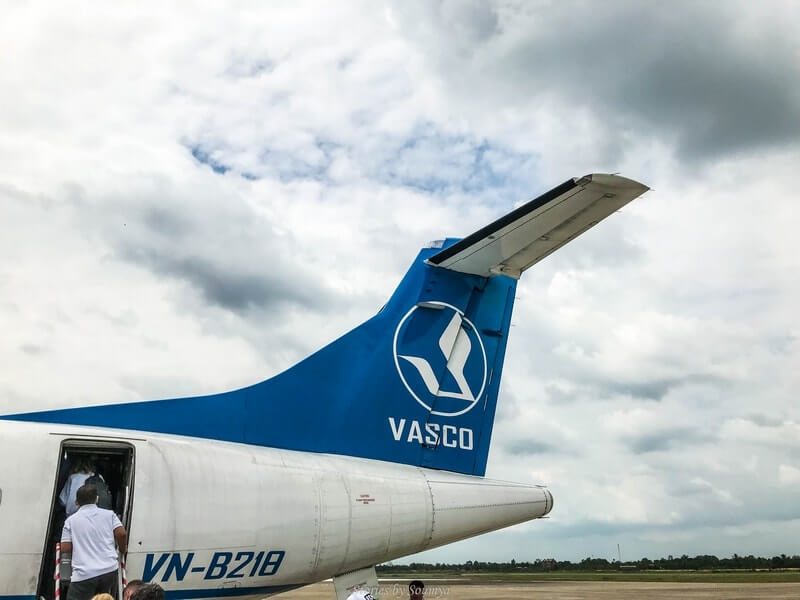
Getting to Vietnam is convenient.
Vietnam is easy to reach from many parts of Asia and beyond.
The country’s three main international airports are Noi Bai International Airport in Hanoi, Da Nang International Airport, and Tan Son Nhat International Airport in Ho Chi Minh City. There are also international services to destinations including Nha Trang and Phu Quoc.
For travelers arriving from elsewhere in Asia, plenty of flight options make it easy to add Vietnam to a larger Southeast Asian itinerary.
Once you are in the country, flying is often the most convenient option for long distances. Domestic flights connect all major cities and tourist destinations, while trains and buses can be useful for shorter or more scenic journeys.
Loved this Vietnam Travel Tips Guide? Pin it for later!